How Different Window Features Affect Home Insulation
As temperatures begin to fall across New Hampshire and Southern Maine, homeowners often start noticing cold areas, drafts, and condensation around their windows. Although people commonly refer to “insulated windows,” a window does not rely on just one type of insulation. Its energy performance depends on several interconnected features, including the number of glass panes, gas fills, Low-E coatings, frame construction, weatherstripping, and installation quality.
Understanding these features can help you choose replacement windows that keep your home more comfortable during a New England winter. Here are the most important window components to consider and how each one affects insulation.
Single-, Double-, and Triple-Pane Glass
The number of glass panes is one of the biggest differences between older and newer windows.
Single-pane windows contain only one layer of glass separating the interior of your home from outdoor temperatures. They provide very little resistance to heat transfer and are more likely to feel cold, develop condensation, and create uncomfortable areas during winter.
Double-pane windows use two layers of glass separated by an insulating space. This design slows the movement of heat through the window and generally provides much better insulation than single-pane glass.
Triple-pane windows add a third layer of glass and another insulating chamber. They can provide additional thermal performance, sound reduction, and comfort in cold climates. However, triple-pane glass may not be necessary for every home, so its added performance should be weighed against the project’s cost and other window features.

Insulating Gas Between the Panes
The space between the panes of an insulated glass unit may be filled with gas instead of ordinary air. Because these gases transfer heat more slowly than air, they help reduce heat loss through the glass.
Argon gas is commonly used in energy-efficient windows because it offers reliable insulation at a practical cost. Krypton gas can provide greater insulating performance and is sometimes used in narrower spaces or high-performance glass packages.
The gas is sealed within the window and does not require maintenance. If the window’s seal fails, however, the insulating gas may escape and moisture can collect between the panes. Persistent fog or condensation inside the glass unit may indicate that the seal has been compromised.
Low-E Glass Coatings
Low-emissivity, or Low-E, glass has a thin coating designed to reflect certain types of heat while still allowing natural light through the window.
During the winter, a properly selected Low-E coating helps reflect indoor heat back into the home instead of allowing it to escape through the glass. During warmer weather, it can help limit unwanted heat from the sun. This makes Low-E glass valuable for year-round comfort and energy efficiency.
Different Low-E coatings are available for different climates and applications. The best option may depend on the direction the window faces, the amount of sunlight it receives, and the heating and cooling needs of the home.
Warm-Edge Spacer Systems
Spacers separate the panes of glass and maintain the insulating space between them. Although this component is easy to overlook, its construction can affect the temperature around the edges of the window.
Traditional metal spacers can conduct heat and create colder areas along the perimeter of the glass. Warm-edge spacer systems are designed to reduce this heat transfer. They can help improve thermal performance and decrease the likelihood of edge condensation during cold weather.
A quality spacer system also helps support the seal around the insulated glass unit, which is essential for retaining the gas fill and keeping moisture out.
Window Frame Materials
The glass is not the only part of a window that affects insulation. Heat and air can also move through gaps or poorly insulated sections of the frame.
Modern vinyl window frames often contain multiple internal chambers that help slow heat transfer. Some frames may also include additional insulation within these chambers. Quality vinyl is a popular option for New England homes because it is energy efficient, resistant to moisture, and relatively easy to maintain.
Fiberglass and certain composite frames can also provide strong thermal performance and dimensional stability. Wood is a natural insulator but requires more maintenance to protect it from moisture, rot, and weather-related damage.
The quality and construction of the frame are more important than appearance alone. Two windows made from the same general material can perform differently depending on their internal design and overall manufacturing quality.
Weatherstripping and Window Seals
Even a high-performance glass package cannot keep a home comfortable if outdoor air leaks around the sash. Weatherstripping creates a seal between the window’s movable and stationary components, helping prevent cold air from entering and conditioned air from escaping.
Worn, compressed, missing, or damaged weatherstripping can cause drafts around an otherwise functional window. In some cases, replacing the weatherstripping may resolve a minor problem. Older windows with warped frames, loose sashes, deteriorated seals, or multiple points of air leakage may be better candidates for replacement.
Homeowners should also remember that air leakage and heat transfer are different issues. Multiple panes and Low-E coatings help limit heat moving through a closed window, while weatherstripping helps stop air from moving through gaps around it.
Window Style and Construction
The way a window opens can also affect its resistance to air leakage.
Casement and awning windows close by pressing their sash against the frame, creating a tight compression seal. Double-hung and sliding windows rely on weatherstripping along the tracks and meeting rails, making proper construction and adjustment especially important.
This does not mean one window style is automatically the correct choice for every home. Double-hung windows remain popular because of their traditional appearance, ventilation options, and convenient operation. The best selection depends on the opening, the home’s architecture, and the homeowner’s priorities.
Understanding U-Factor
When comparing replacement windows, look beyond general descriptions such as “energy efficient.” Performance ratings provide a more useful way to compare products.
A window’s U-factor measures how readily heat passes through the complete window assembly. A lower U-factor indicates better resistance to heat transfer, which is particularly important in colder climates.
Homeowners may also encounter the Solar Heat Gain Coefficient, or SHGC. This rating measures how much solar heat passes through the window. The ideal SHGC depends on factors such as climate, window orientation, shading, and the amount of sunlight the homeowner wants to admit.
These ratings evaluate the performance of the entire window rather than one feature in isolation. ENERGY STAR provides additional information about energy-performance ratings for residential windows.
Professional Installation Matters
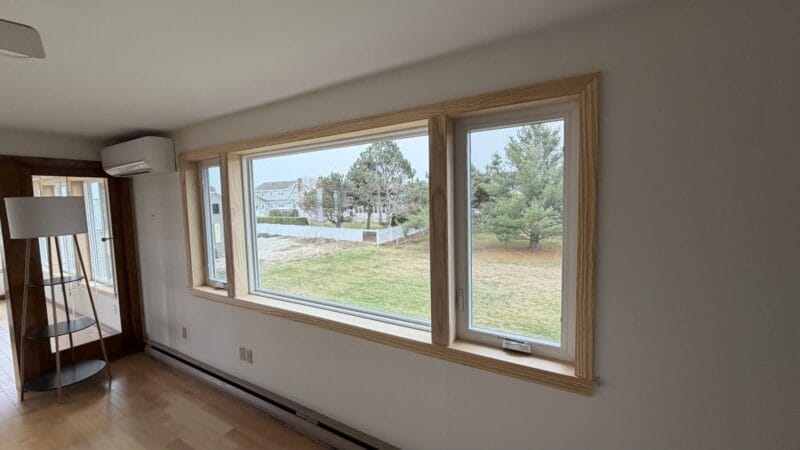
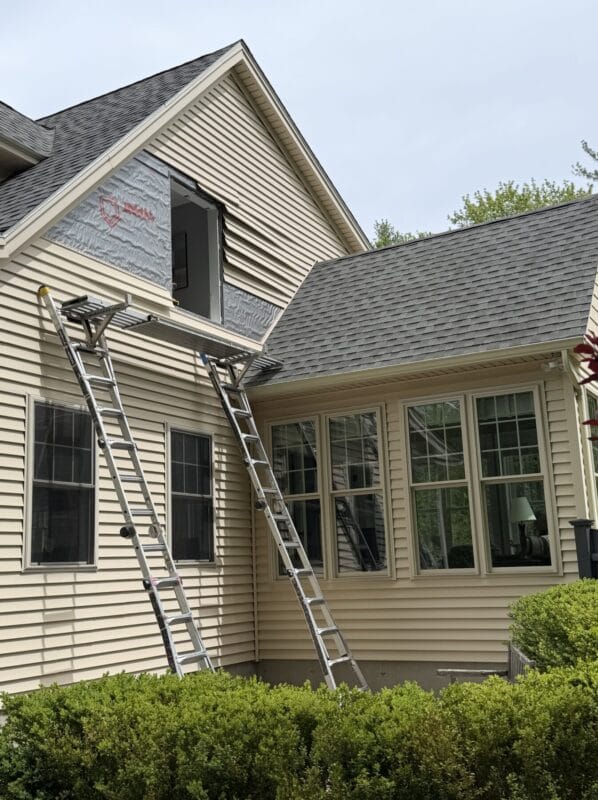
The benefits of insulated glass, Low-E coatings, and high-quality frames can be undermined by poor installation. Gaps around the window opening can allow air and moisture to enter, leading to drafts and reduced energy performance.
A professional replacement-window installation should ensure the unit is correctly measured, level, securely fastened, sealed, and insulated around the frame. Proper exterior flashing and trim also help direct water away from the opening and protect the surrounding structure.
This is why homeowners should evaluate both the window and the company installing it. A strong product performs best when it is properly fitted and sealed to the home.
Signs Your Windows May Not Be Insulating Properly
Fall is a good time to examine your windows before winter weather arrives. Common warning signs include:
- Noticeable drafts around closed windows
- Cold glass or uncomfortable areas near windows
- Condensation or fog trapped between the panes
- Cracked, missing, or deteriorated weatherstripping
- Windows that are difficult to close or lock
- Visible gaps around the sash or frame
- Peeling finishes, water staining, or deteriorated frames
- Difficulty maintaining a consistent indoor temperature
Not every issue means the window must be replaced. Minor gaps may sometimes be corrected with new weatherstripping or sealant. Multiple problems, failed glass seals, extensive deterioration, or single-pane construction may indicate that replacement is the more practical long-term solution.
Prepare Your Home for Colder New England Weather
The insulation provided by a window comes from the entire system working together. Multiple panes, insulating gas, Low-E coatings, warm-edge spacers, well-constructed frames, effective weatherstripping, and professional installation all contribute to better performance.
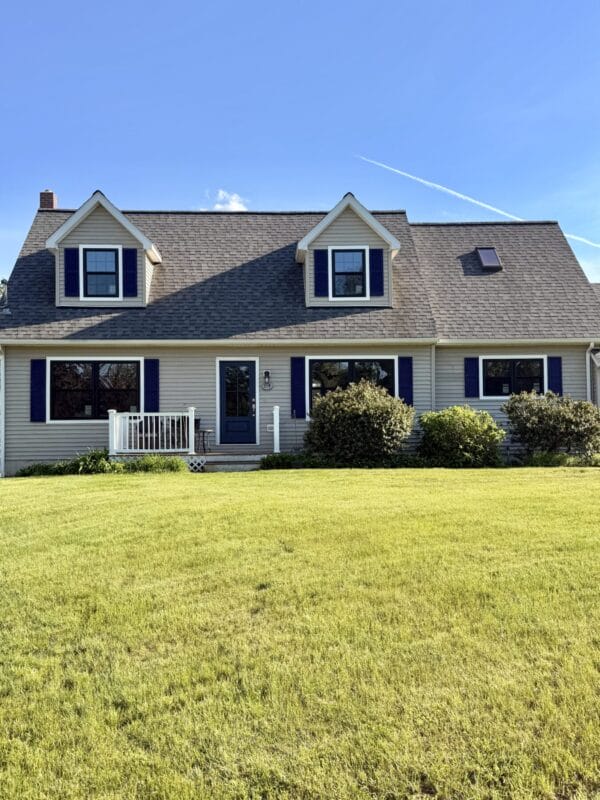
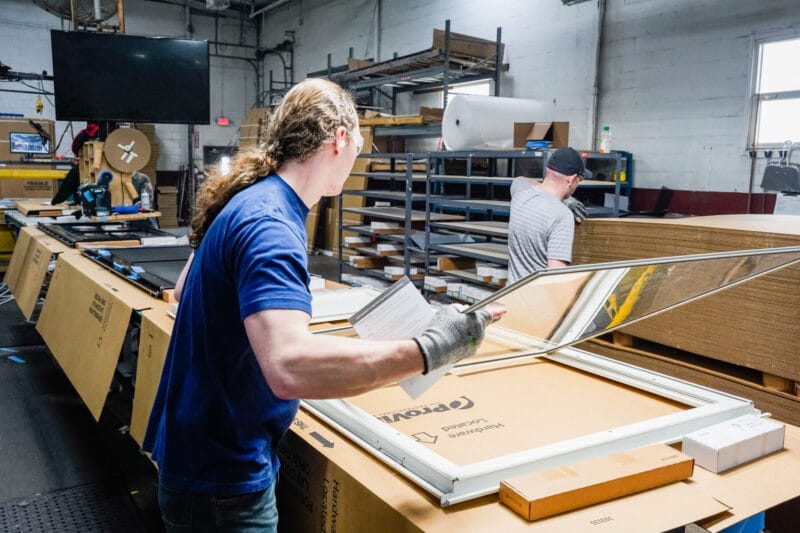
Best Choice Windows & Doors installs quality replacement windows for homeowners throughout New Hampshire and Southern Maine. As the only ProVia Authorized Retailer on the New Hampshire Seacoast, our team can help you compare window styles, glass packages, efficiency ratings, and design options based on your home and priorities.
If your windows feel drafty or are showing signs of age, fall is an excellent time to have them evaluated. Contact Best Choice Windows & Doors to schedule a consultation and explore replacement-window options before colder weather settles in.